
Getting ready for spring
Spring is a busy season for birds; they are very sensitive to changes in the seasons, including increases in light and temperature, which can make a huge difference to their well-being. Now’s the time to check their in tip top condition ahead of the imminent laying season.
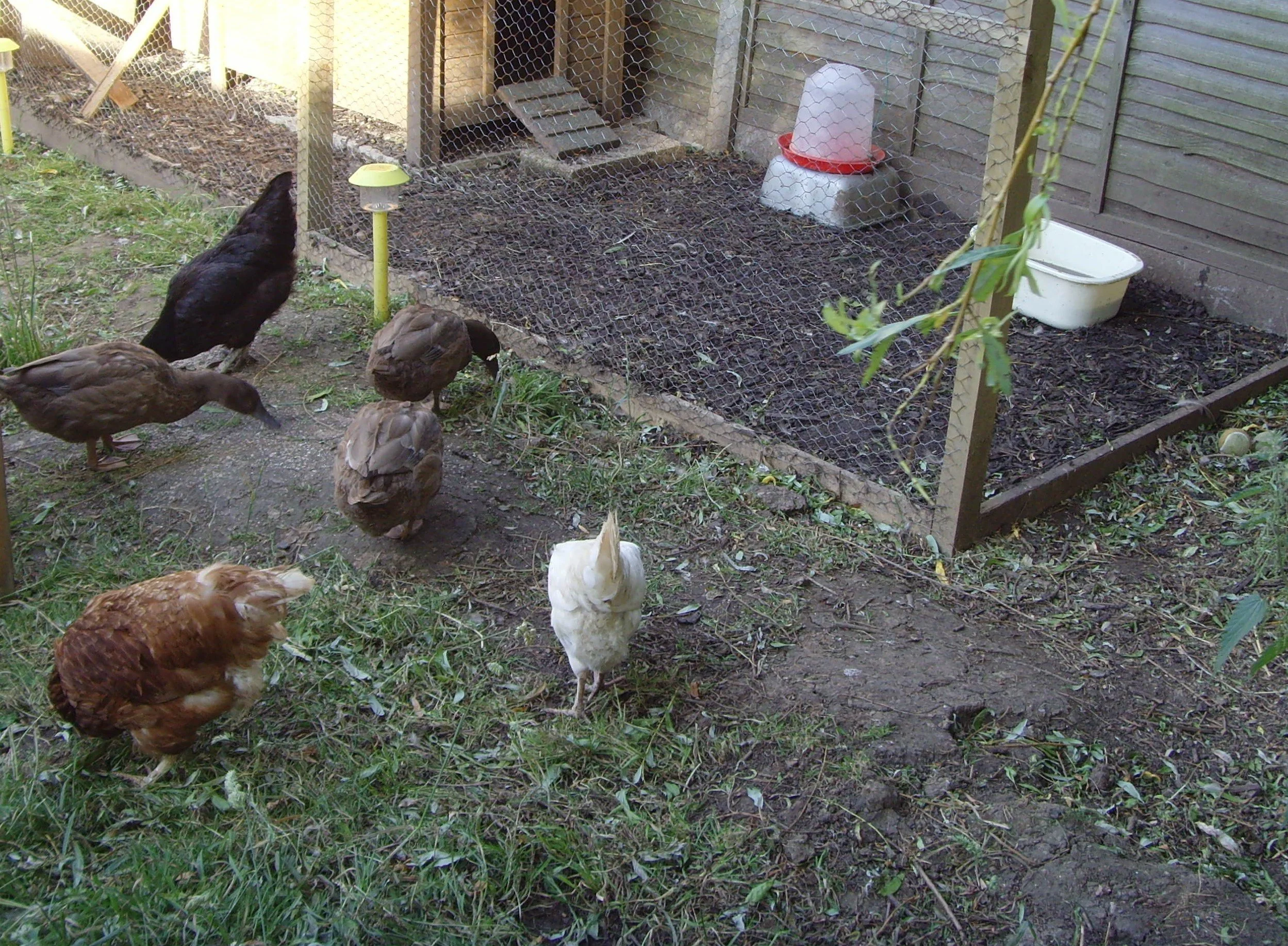
Weight - Have your chickens been getting an extra bit of corn or sunflower seeds over the winter? Now’s the time to stop and check your bird’s weight. Overweight chickens may have difficulty laying eggs because body fat is stored around their tummy and pelvis, which can narrow the pelvic canal and make it harder for them to pass an egg.
Weigh your birds (baby scales are ideal) and ensure they are at an appropriate weight. Also, feel the keel bone along their breast to check their condition. You should be able to feel the point of the keel bone, but the ribs should be covered with breast muscles in a healthy hen; if you can’t feel the edge of the keel bone, then your girls could be carrying too much condition.
If your girls are overweight or over-conditioned for their breed, stop all treats and encourage foraging-based activities that provide a daily workout to help them work off the excess calories.
Nuitrition - Laying hens should be fed a prepared laying hen feed, and given foraging opportunities … and that's it!
This ensures the diet is nutritionally balanced to meet your birds’ needs during the preparation for, and into the laying season. Your girls’ energy demands during this time are huge, and you’re more likely to see problems with soft-shelled eggs or weak shells, varied egg size, and general poor health if the diet isn't appropriate, i.e. too many treats!
Hens should always have access to insoluble grit to aid digestion and soluble grit for extra calcium, but calcium isn’t the only factor involved in shell strength - they need balanced nutrition.
If your birds are currently housed, they will definitely appreciate something green to peck at for enrichment. Lucerne blocks or green veg hung just above their heads encourage them to reach up and stretch for a bite - chicken yoga!
Always remember to offer fresh
Light
Typically, chickens need more than 12 hours of light to lay consistently. We’re currently having around 9.5 hours, we can expect 12 hours around mid-March. The combination of daylight length and nutrition switches on the reproductive hormones. This can be a stressful time for hens - hormones are powerful stuff!
This stress can make underlying illnesses become more apparent. Watch out for any changes in behaviour (hunched or removed from the group), reduced feed consumption, and changes in faeces.